Farming in the heart of Vojvodina always comes with challenges, but last year was especially difficult for many farmers. Rainfall was extremely limited, and during the autumn sowing season producers had to make serious decisions about whether to take risks or wait for better conditions.
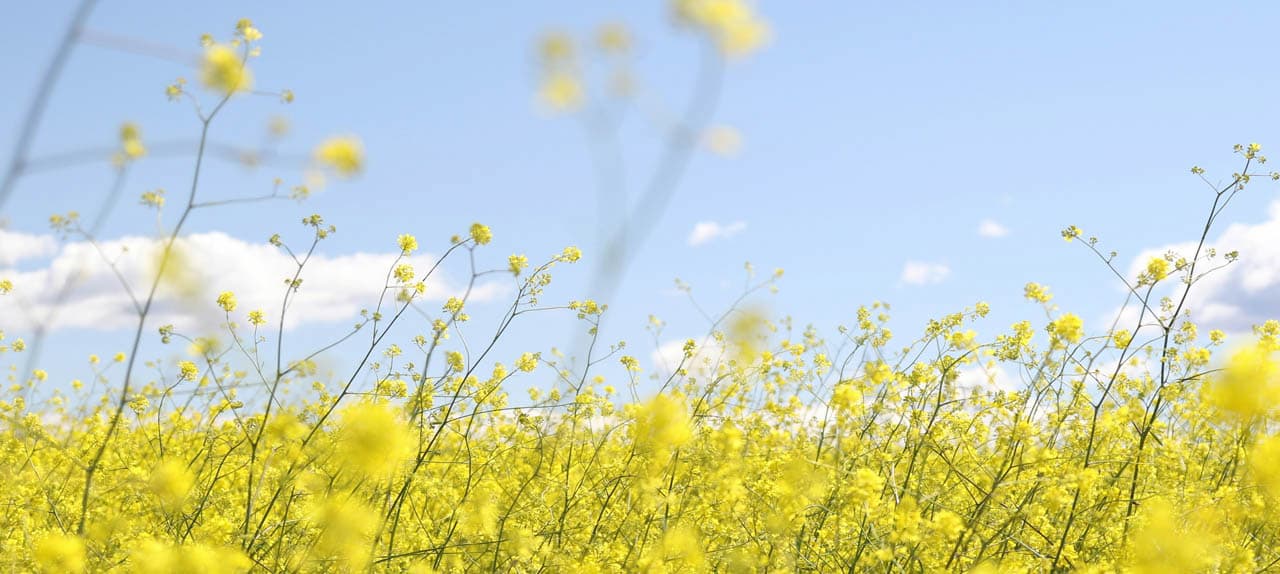
Planting rapeseed always involves some uncertainty, but last year the risk was even greater. In many cases farmers ended up sowing almost into dry dust, hoping that rain would arrive soon and help the young plants establish themselves.
Unfortunately, in many areas that rain simply did not come at the right time.
Ironically, the winter that followed was one we had not seen in a long time. There was snow cover, and we received some winter precipitation as well. While this looked promising, it was not enough to save every field. Rapeseed that lacked moisture during the early stages of development often failed to establish strong root systems before winter.
Now that winter has passed, the situation in the fields is much clearer. In some areas the rapeseed survived well and continued developing in spring. However, in other places it became obvious that the crop could not recover.
This was the case on some of our fields as well. Despite hoping that winter conditions would help the plants recover, we eventually had to accept that the rapeseed had failed due to the drought.
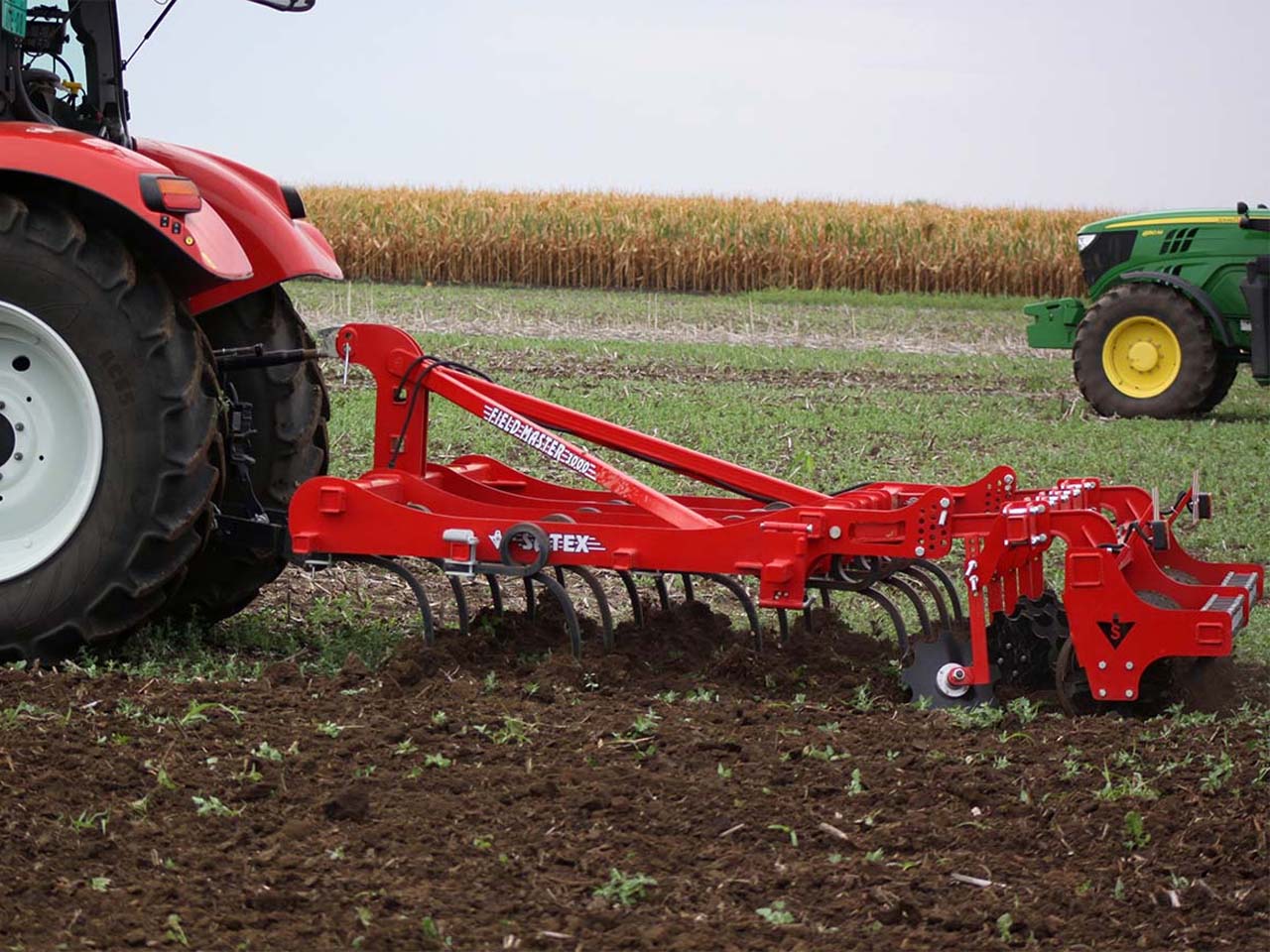
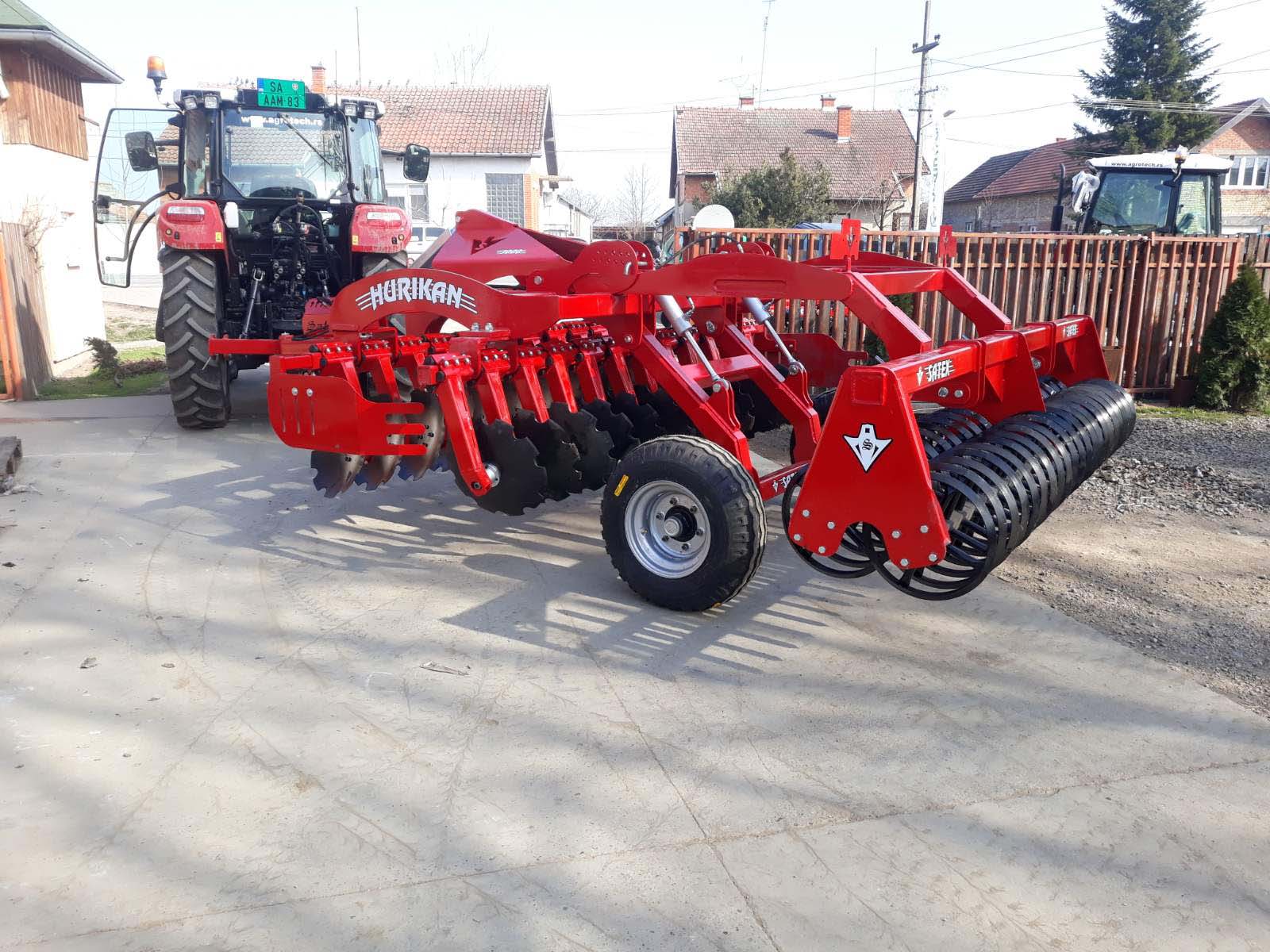
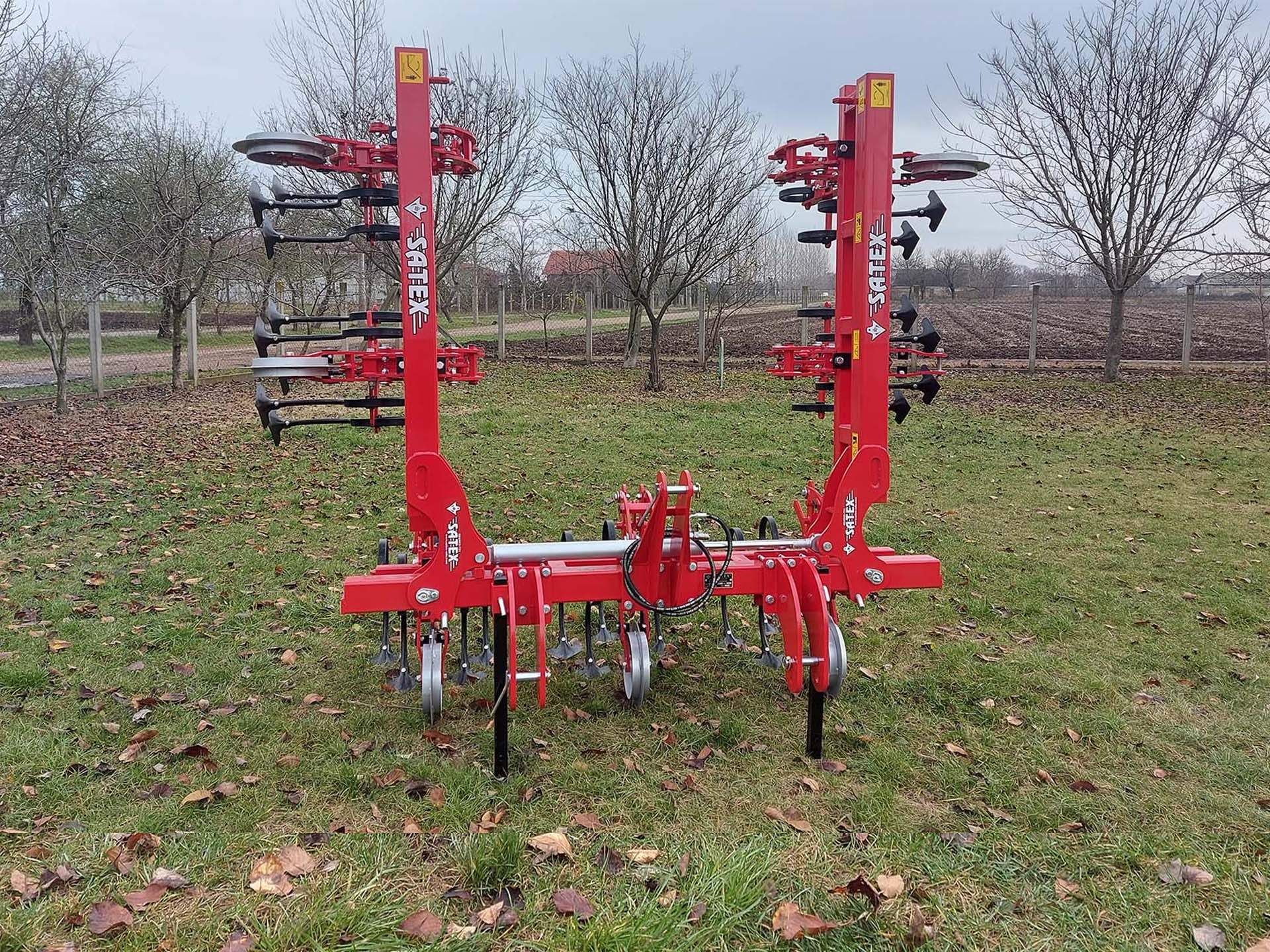
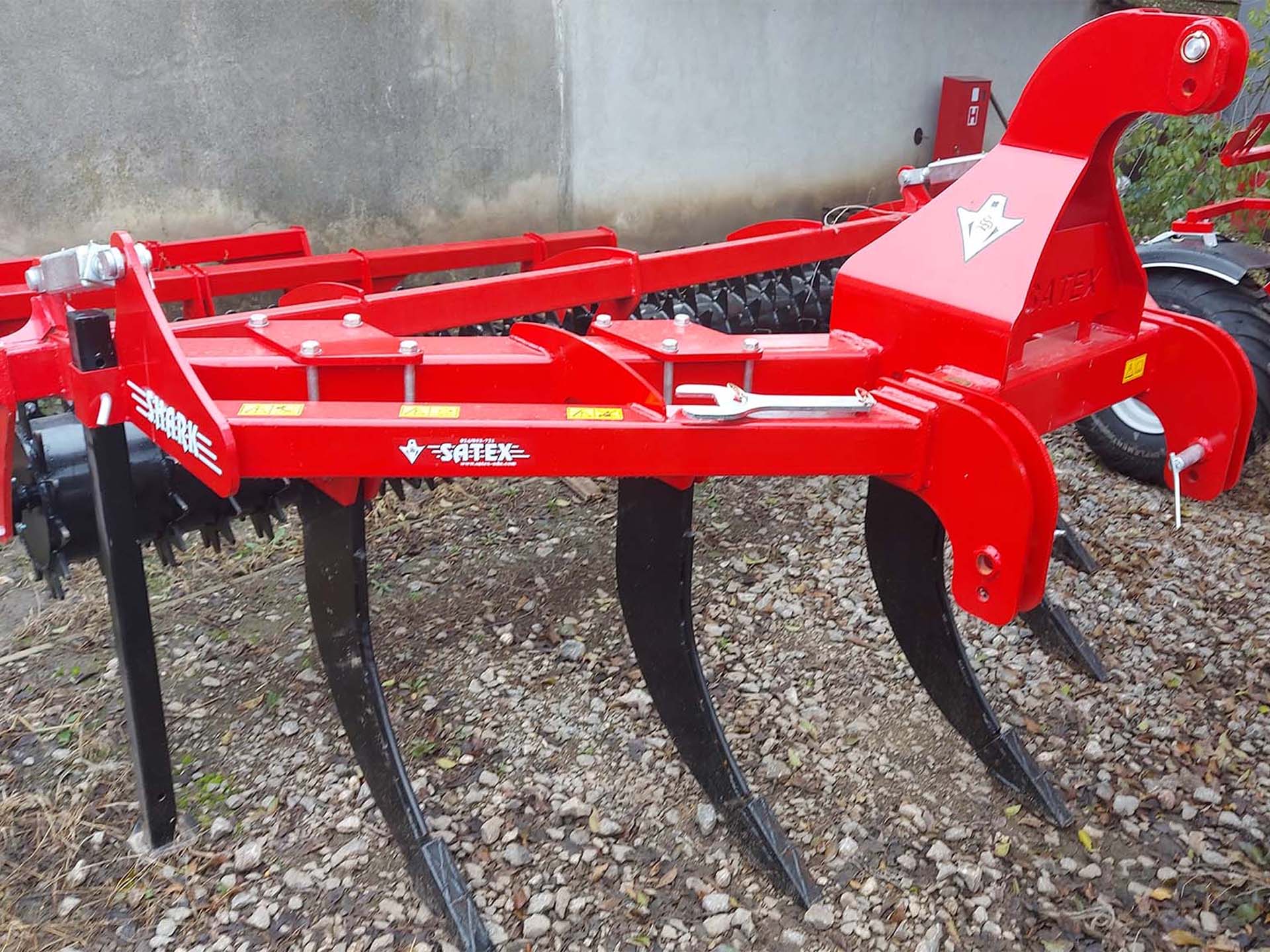
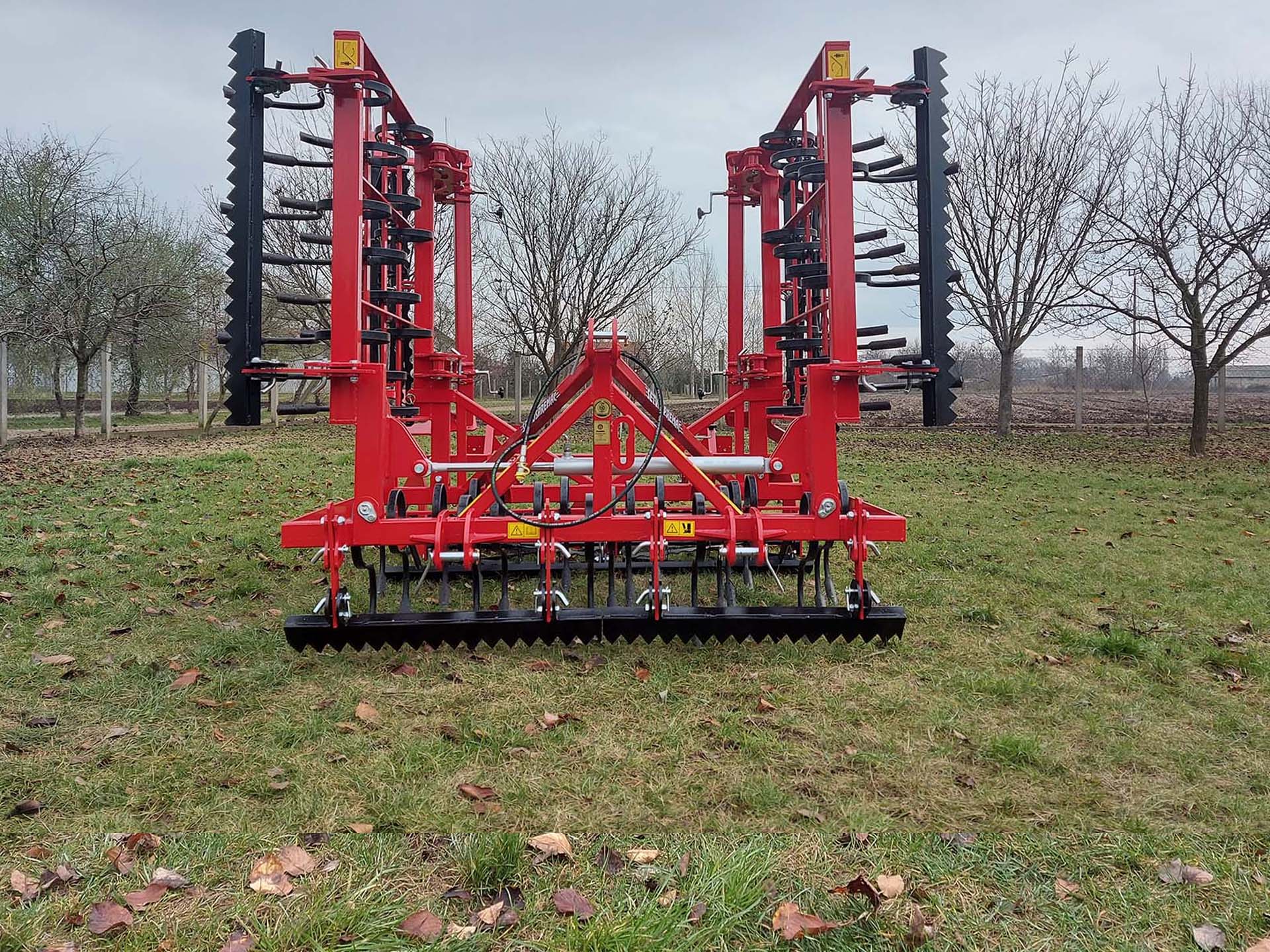
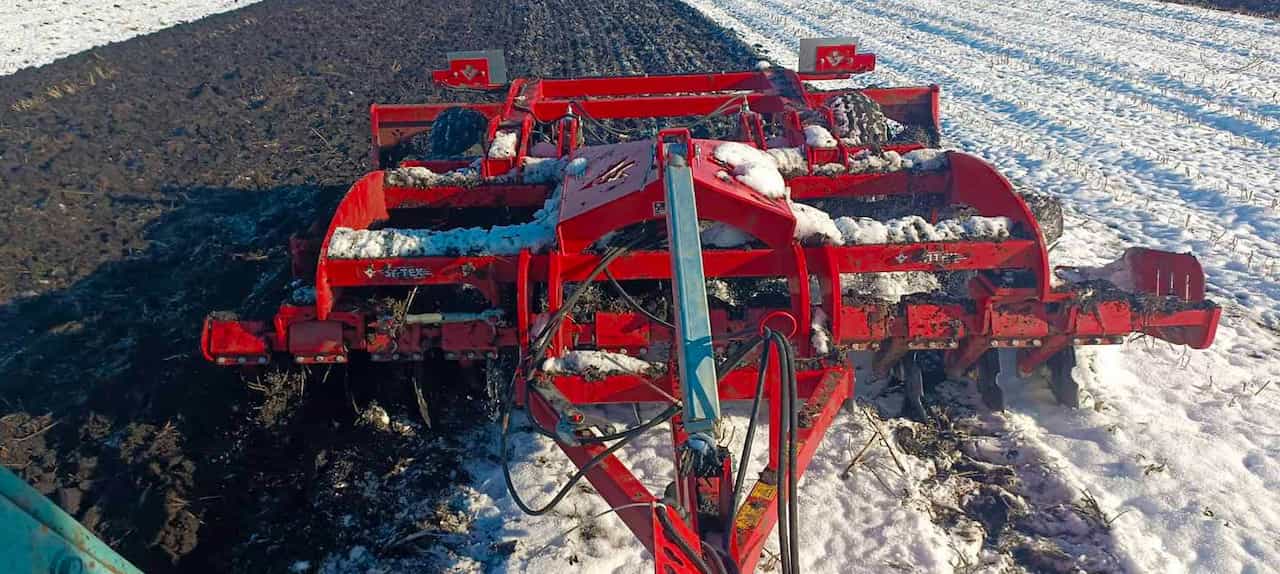
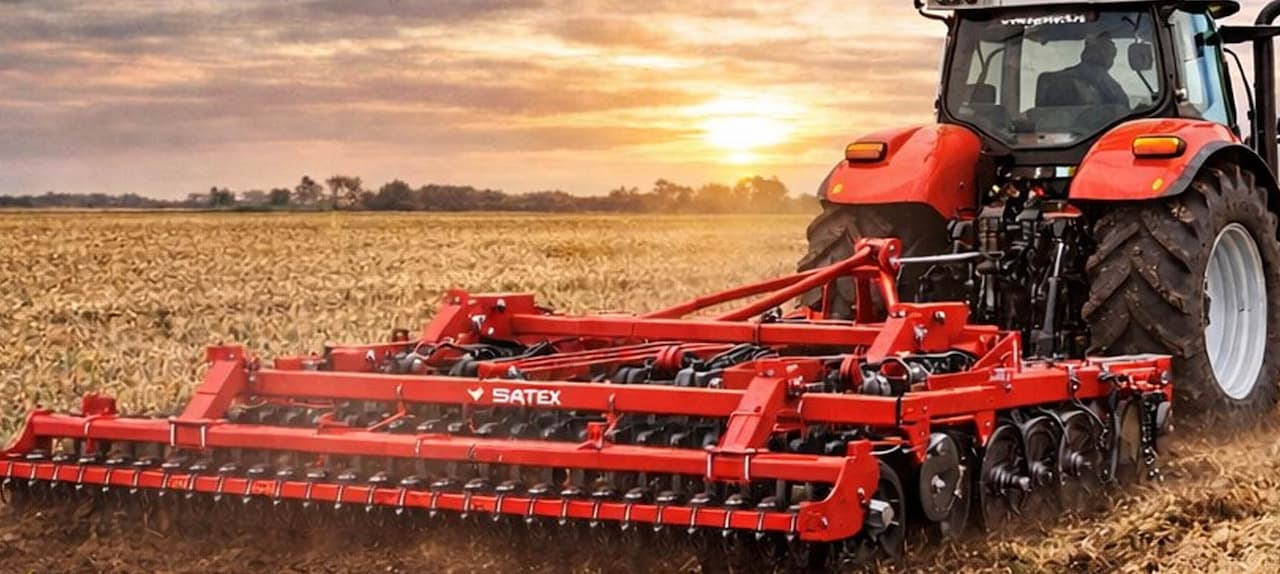
To manage the situation, we decided to work the field using a Field Master light cultivator (Gruber). This machine is particularly effective for shallow soil cultivation. It provides stable soil cutting and mixes plant residues evenly into the upper soil layer.
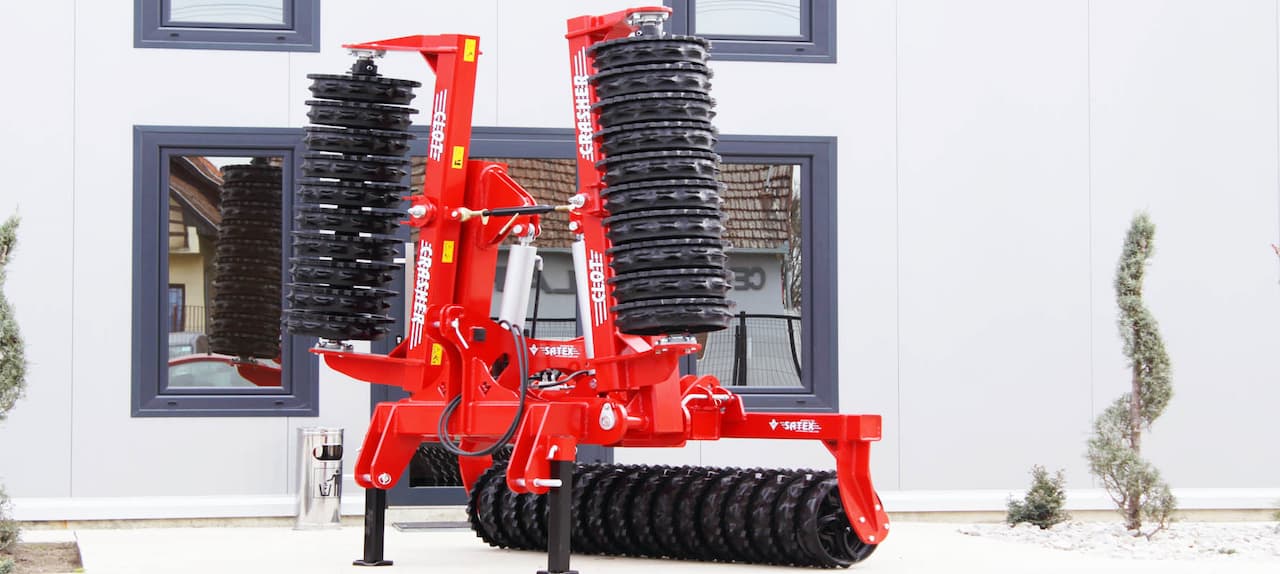
The rear roller also plays an important role, as it closes the soil surface nicely after cultivation. This helps maintain a good soil structure and reduces moisture loss from the top layer.
After the operation, the soil is now left to rest without plant roots. This resting period allows the soil to regenerate before the next crop is planted.
Our plan is to plant corn on this field later in the season. With better weather conditions and hopefully more rainfall this year, we expect the next crop to make better use of the soil.
Agriculture is always about adaptation. Sometimes nature supports our plans, and sometimes it forces us to rethink them. This year’s rapeseed story is a clear reminder that successful farming also means knowing when it is time to change direction.